
The Clock That Ran on Water
About 7 minA bowl could keep time after sunset. Making that bowl dependable was a much harder problem.
From breakthrough discoveries to practical digital skills — explore the complete collection. Every Future Uncovered article in one place. Search the archive, choose a topic or explore our stories by date.
Saved on this device. No account needed.

A bowl could keep time after sunset. Making that bowl dependable was a much harder problem.
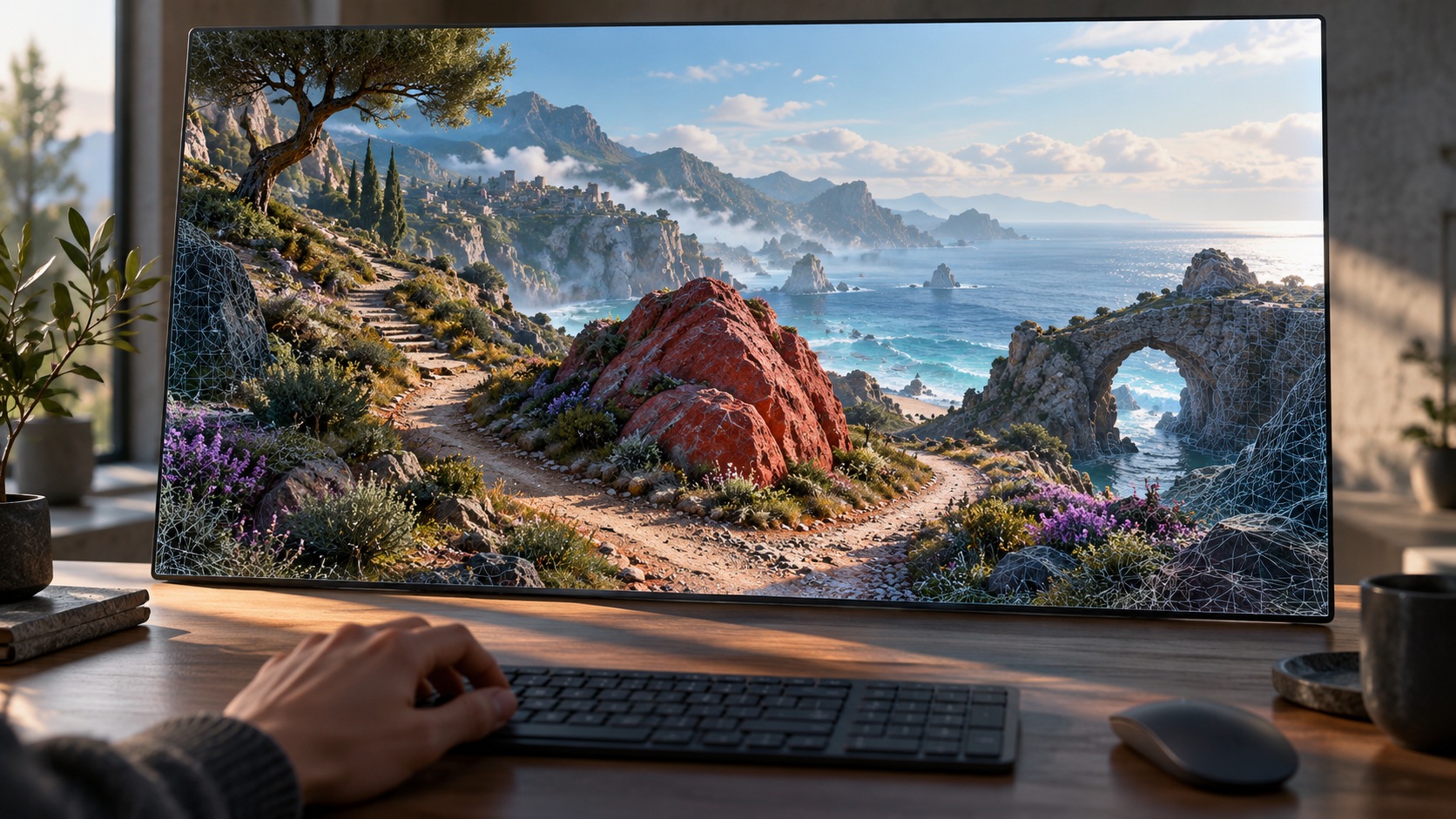
An explorable scene can respond to your actions. That does not make it a reliable copy of the physical world.
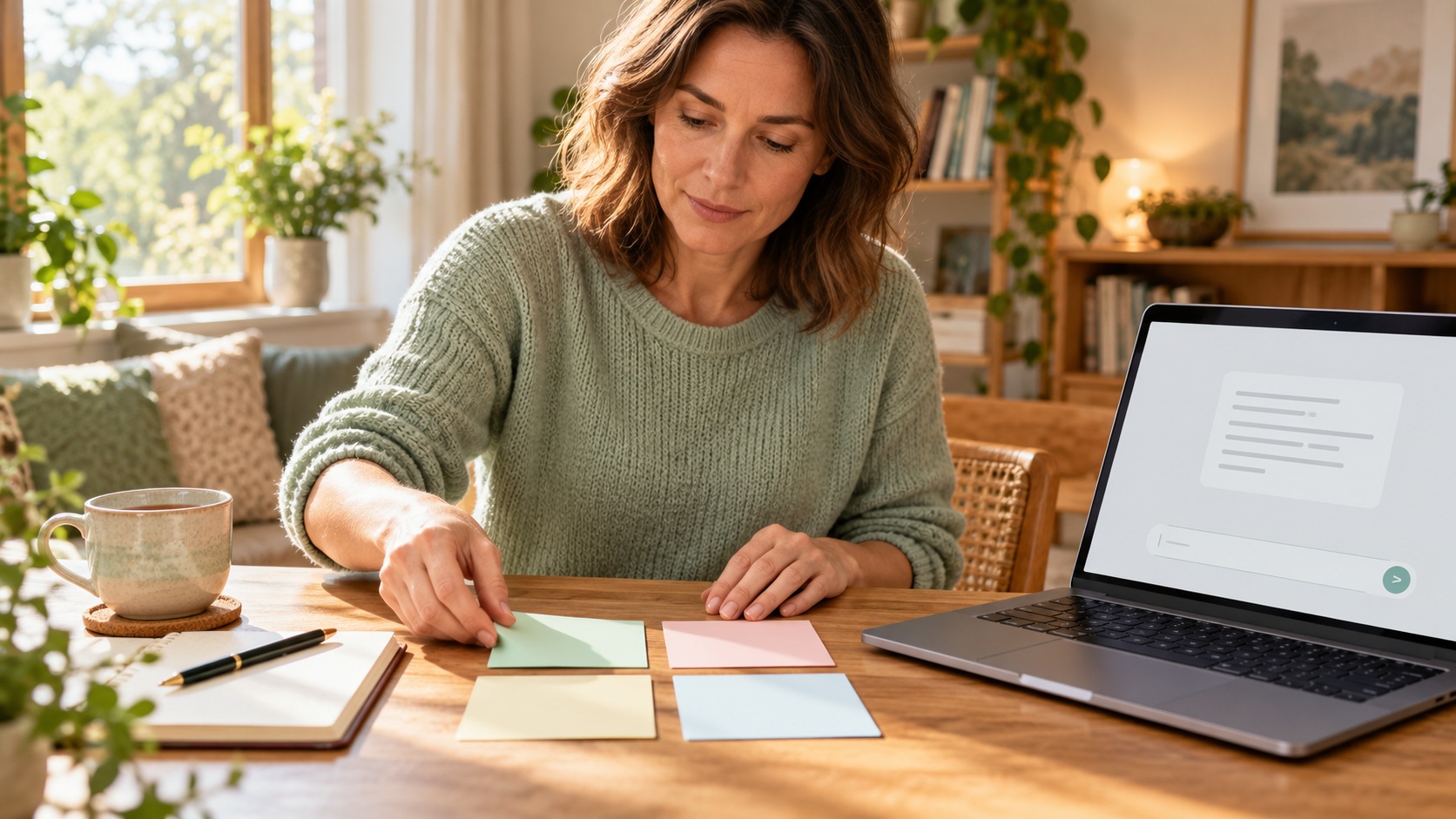
Four small pieces of information can turn a vague request into a task you can actually judge.
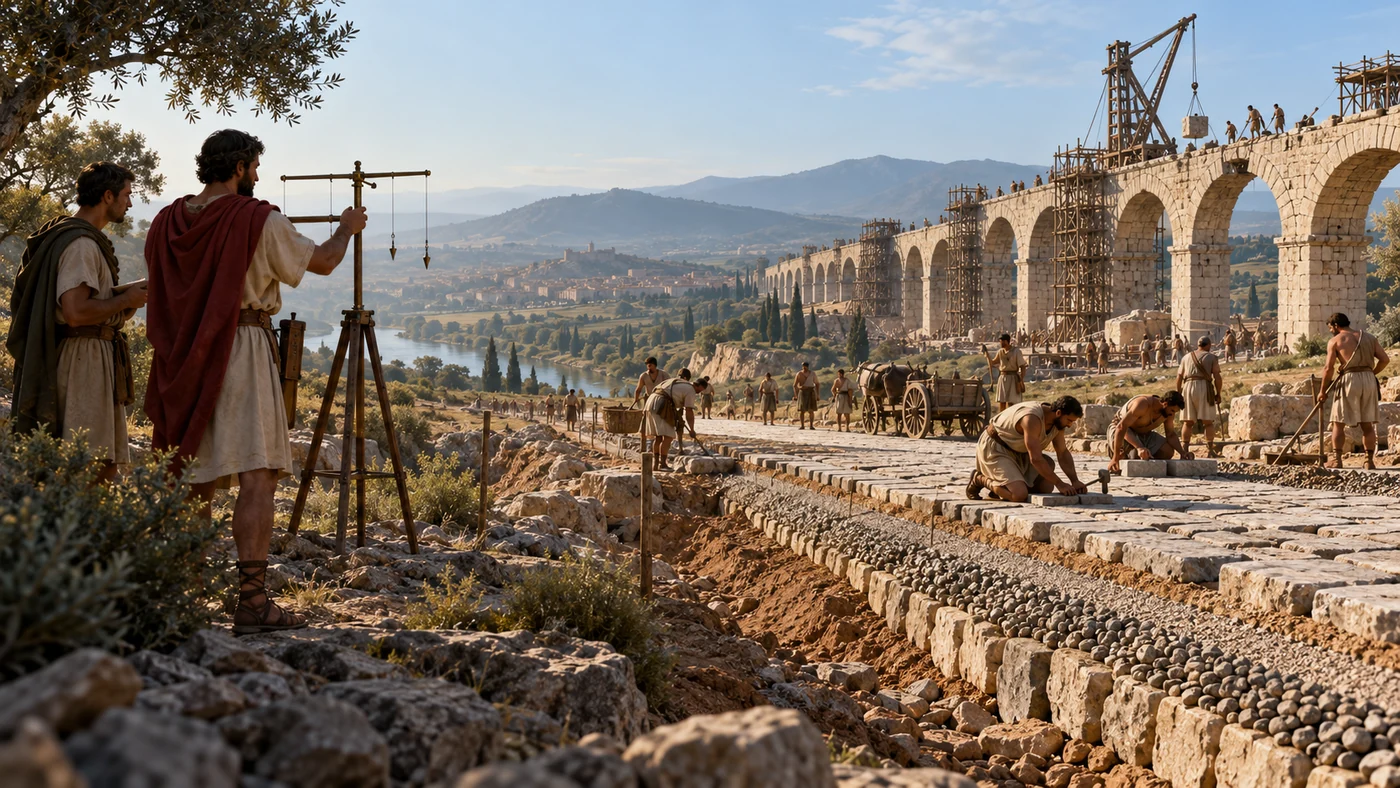
Roman roads, aqueducts and concrete reveal a deeper innovation: repeatable engineering systems built around measurement, materials and maintenance.
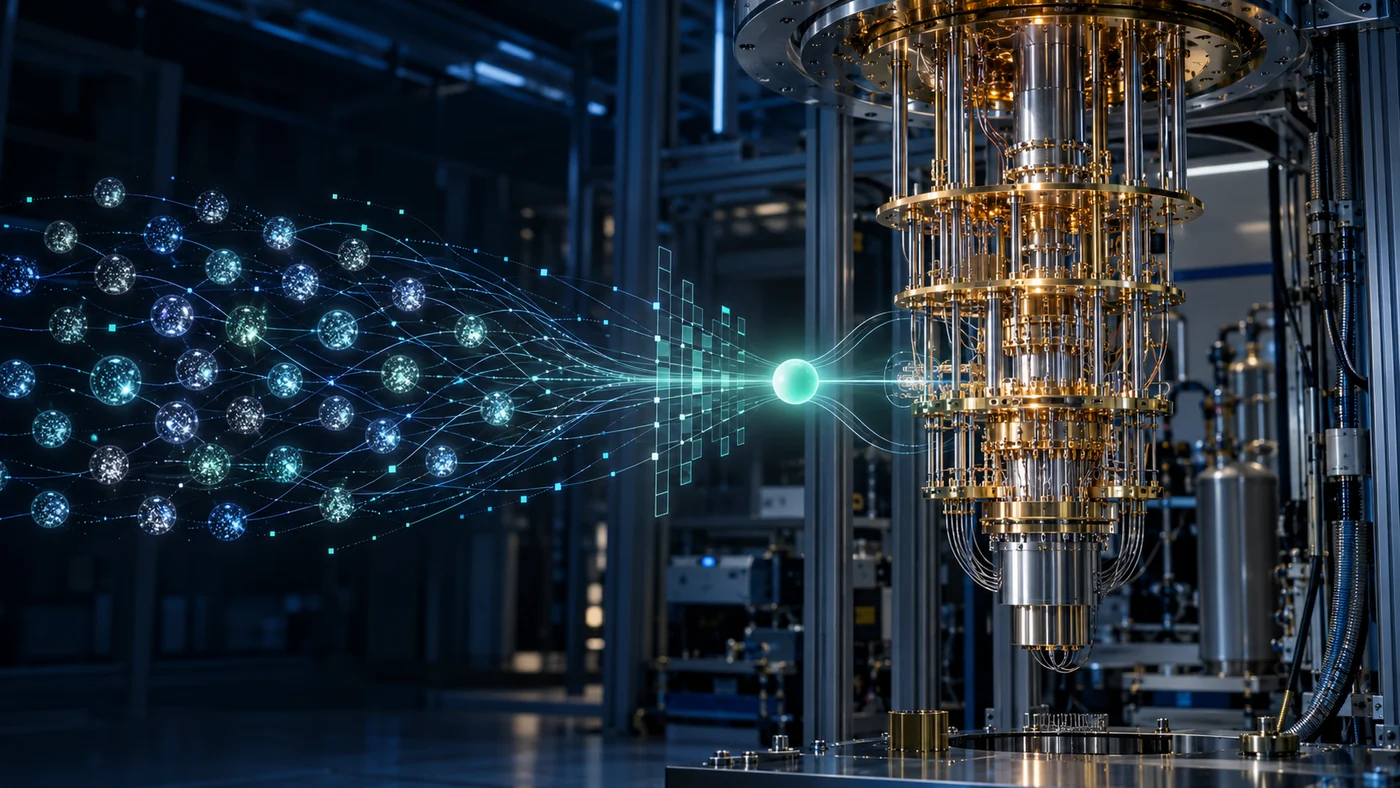
Quantum computing is shifting from raw qubit counts to logical qubits and error correction. Here is what that change means — and what it does not prove.
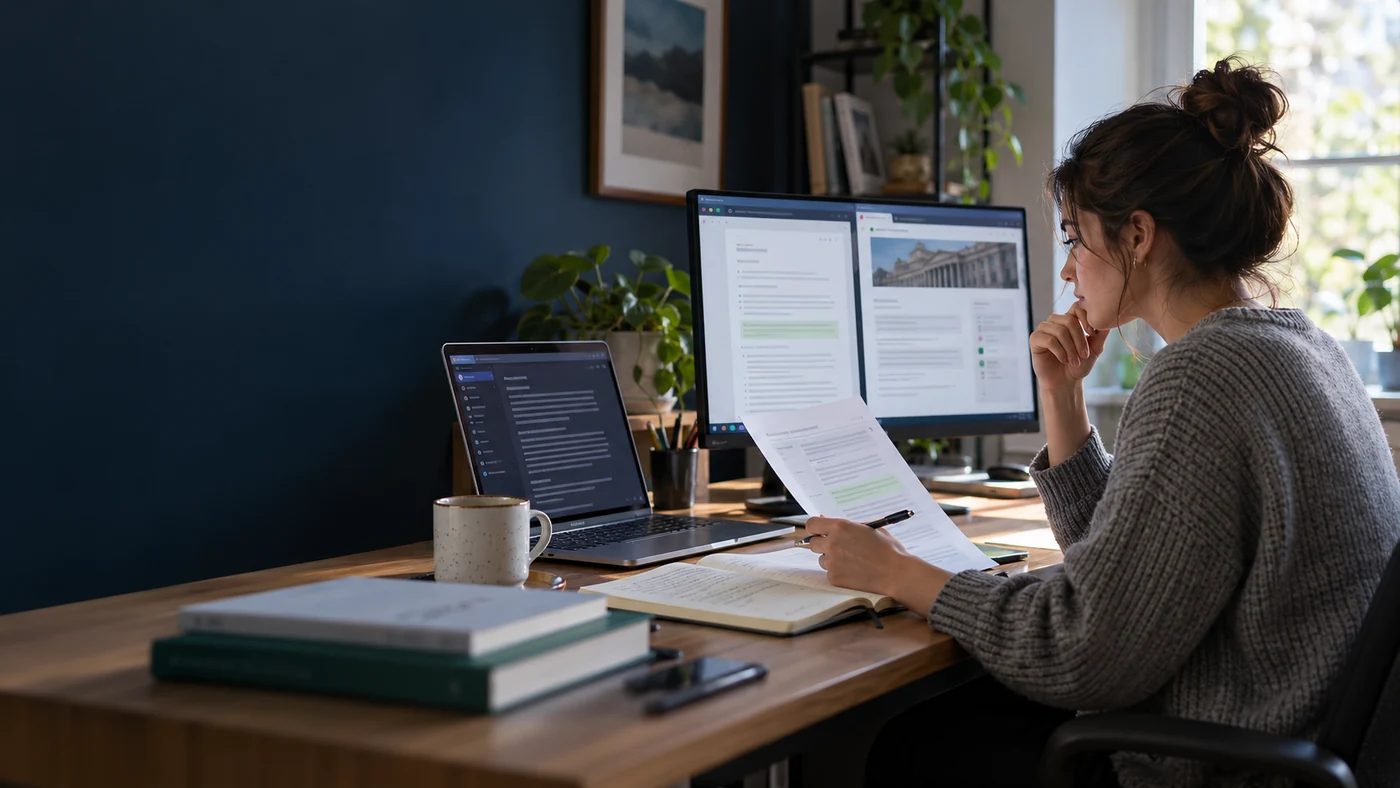
Learn a practical five-minute method for checking AI answers: isolate claims, open original sources, compare evidence and match effort to risk.
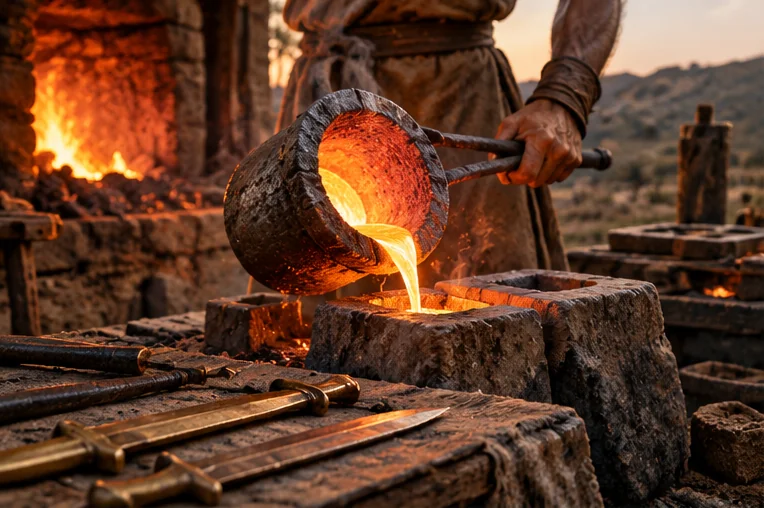
Copper, tin, heat and skill: how metalworkers learned to make materials with new properties.
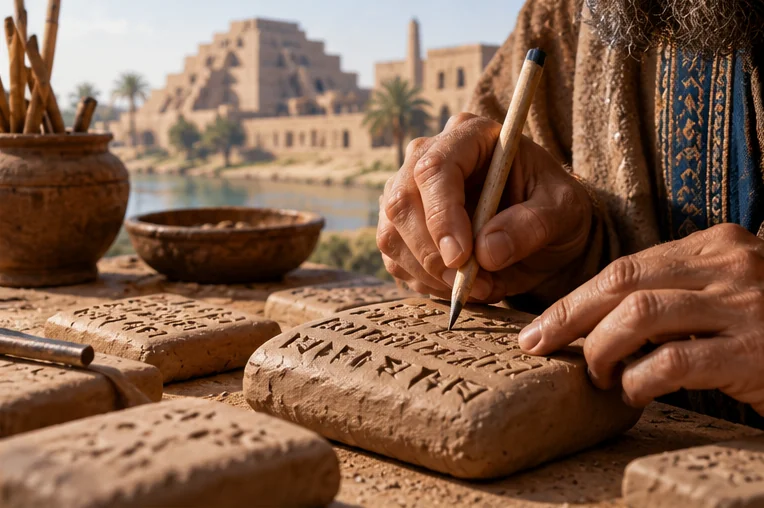
Some of the earliest written records concern grain and supplies. Everyday bookkeeping helped change how knowledge survived.
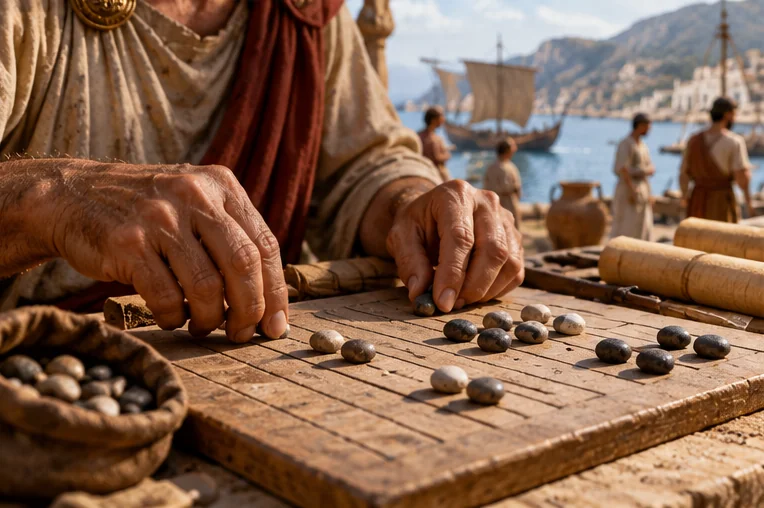
Long before electronic calculators, moving counters helped people work with numbers they could see.
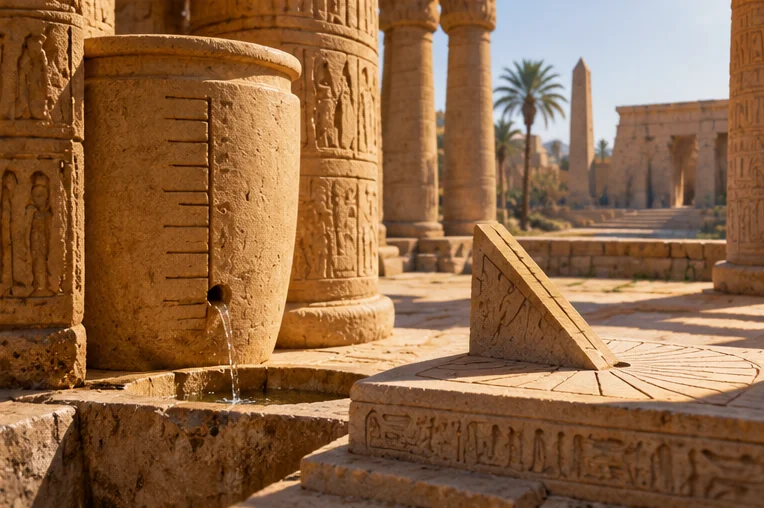
A moving shadow or a falling water level could make time visible — if the device's limitations were understood.
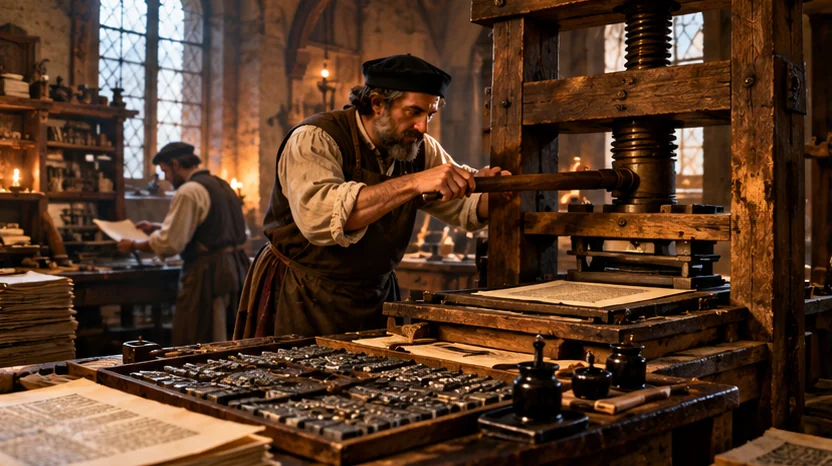
Gutenberg's workshop changed European publishing, but the story of printing began much earlier in Asia.
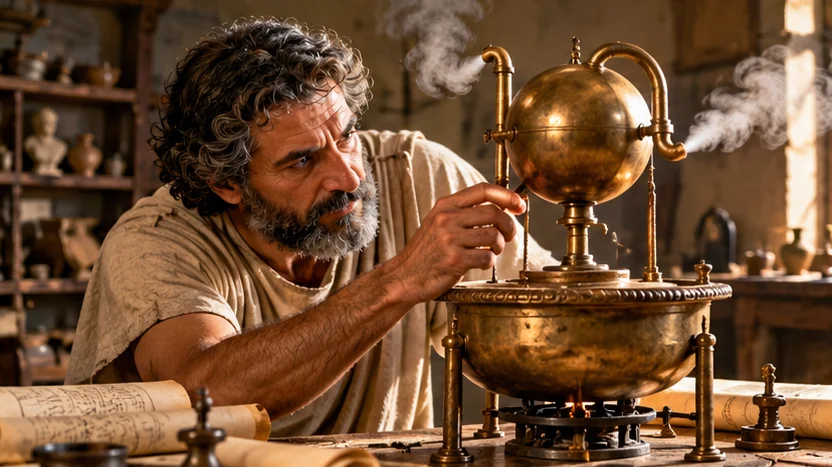
Ancient designs used heat, air and water to produce movements that could look like magic.
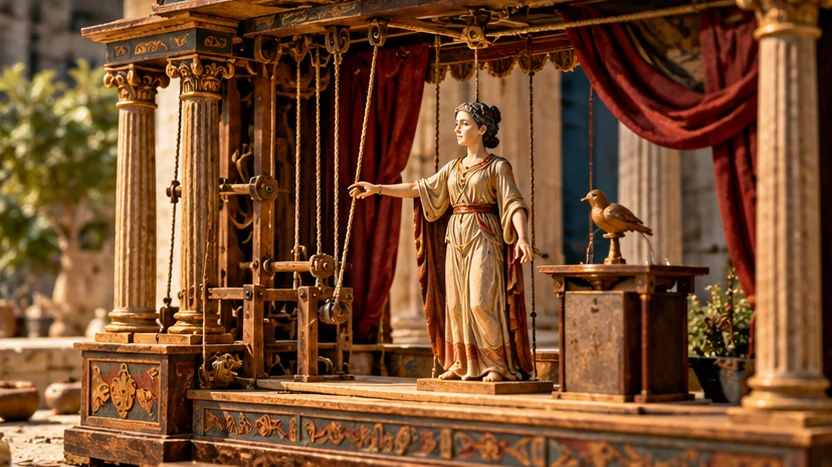
Weights, ropes and pulleys could make figures perform a prepared sequence, long before electric motors.

Light, flexible sheets changed the practical business of keeping records, writing letters and sharing knowledge.
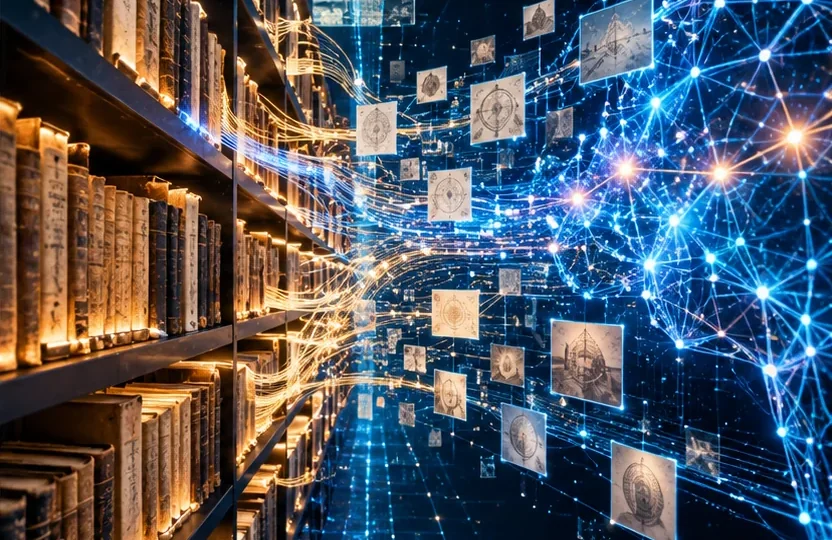
Records, calculations and self-moving machines help explain old problems that computing later tackled in new ways.
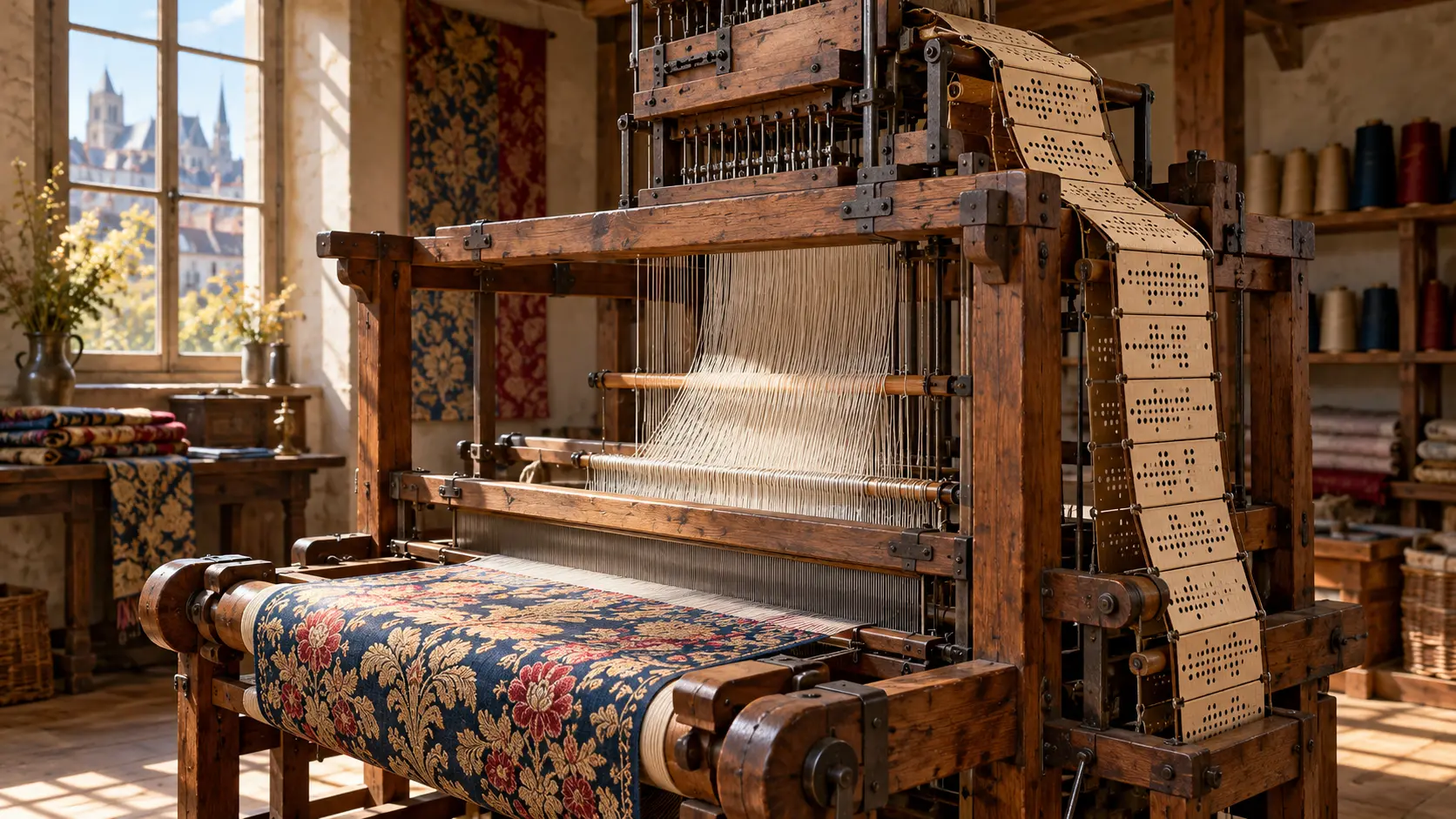
Punched cards controlled patterns in cloth — and suggested a way to give machines instructions.
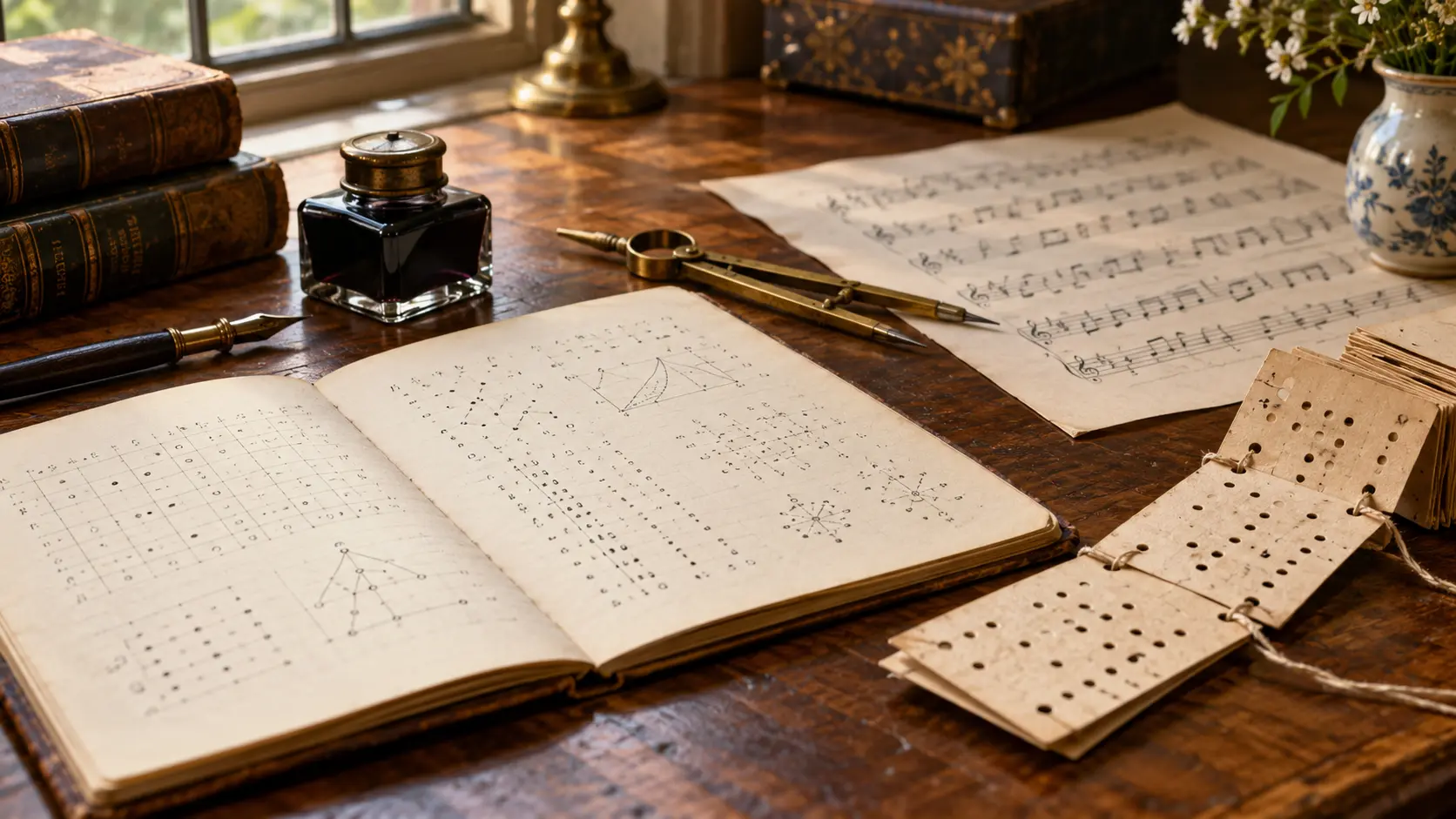
In 1843, Lovelace explored how a calculating machine might work with symbols and even music.
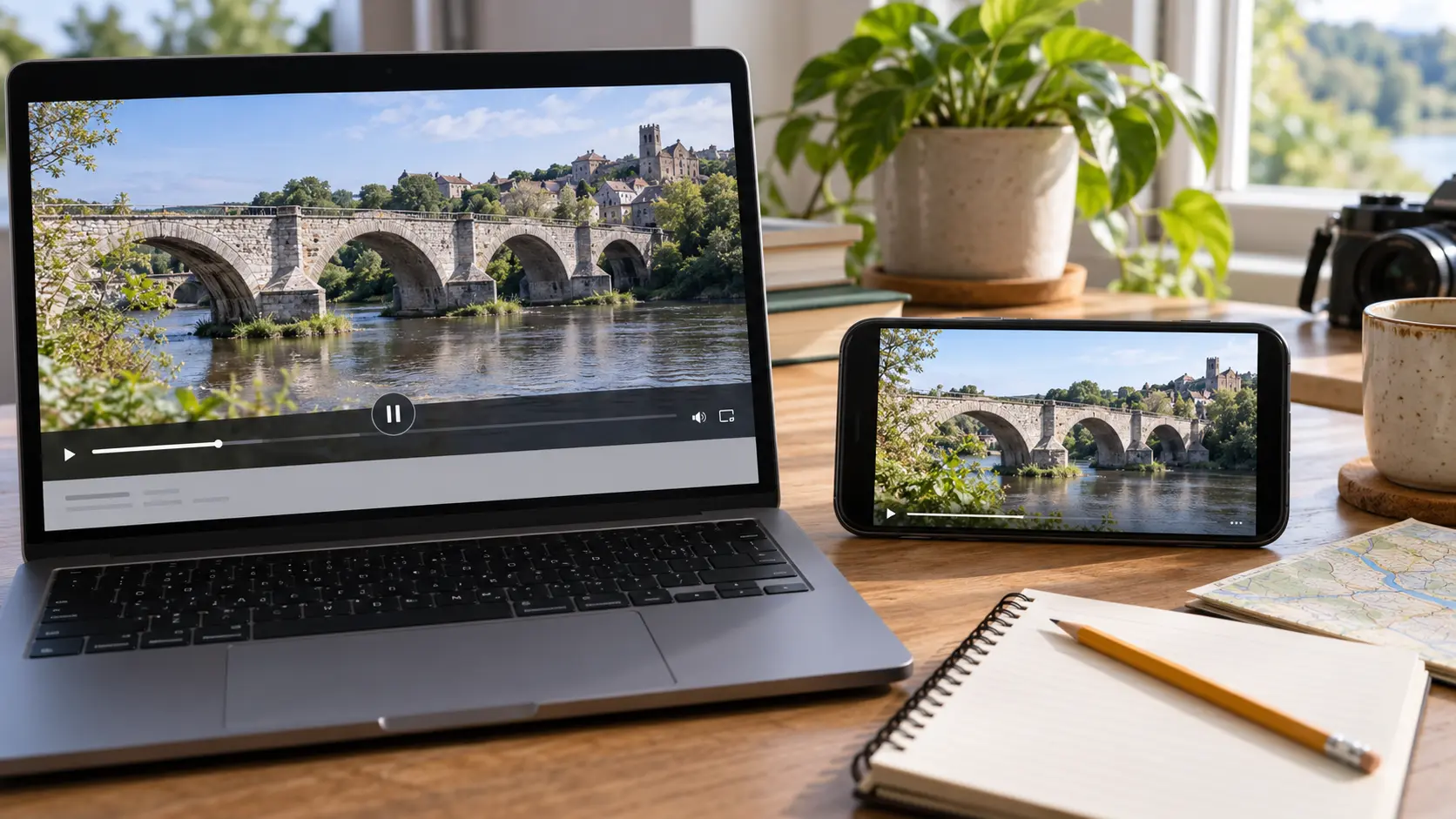
Find its source, look for earlier appearances and check the claim outside the clip.
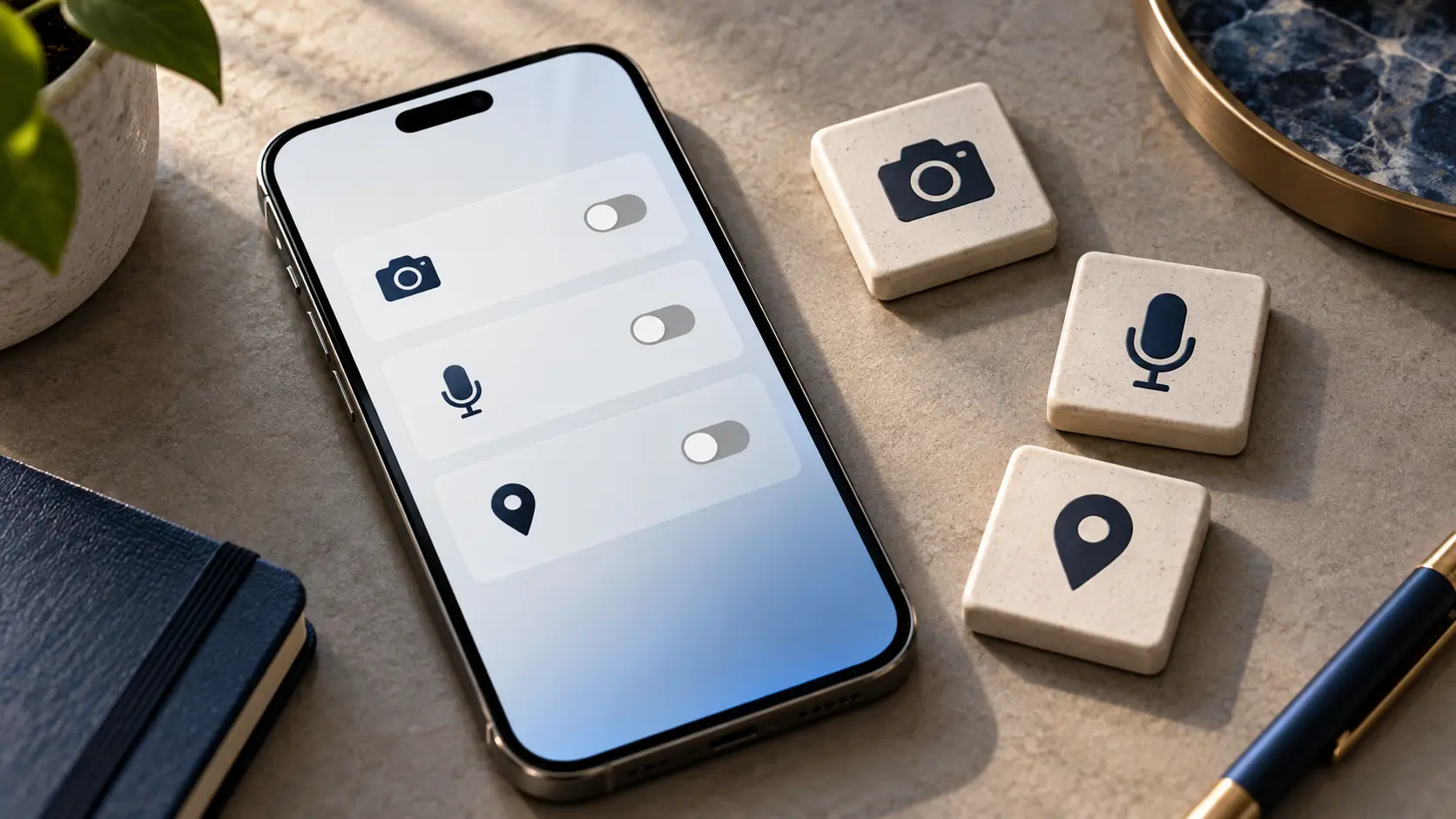
A quick check of phone permissions helps you decide what each app really needs.
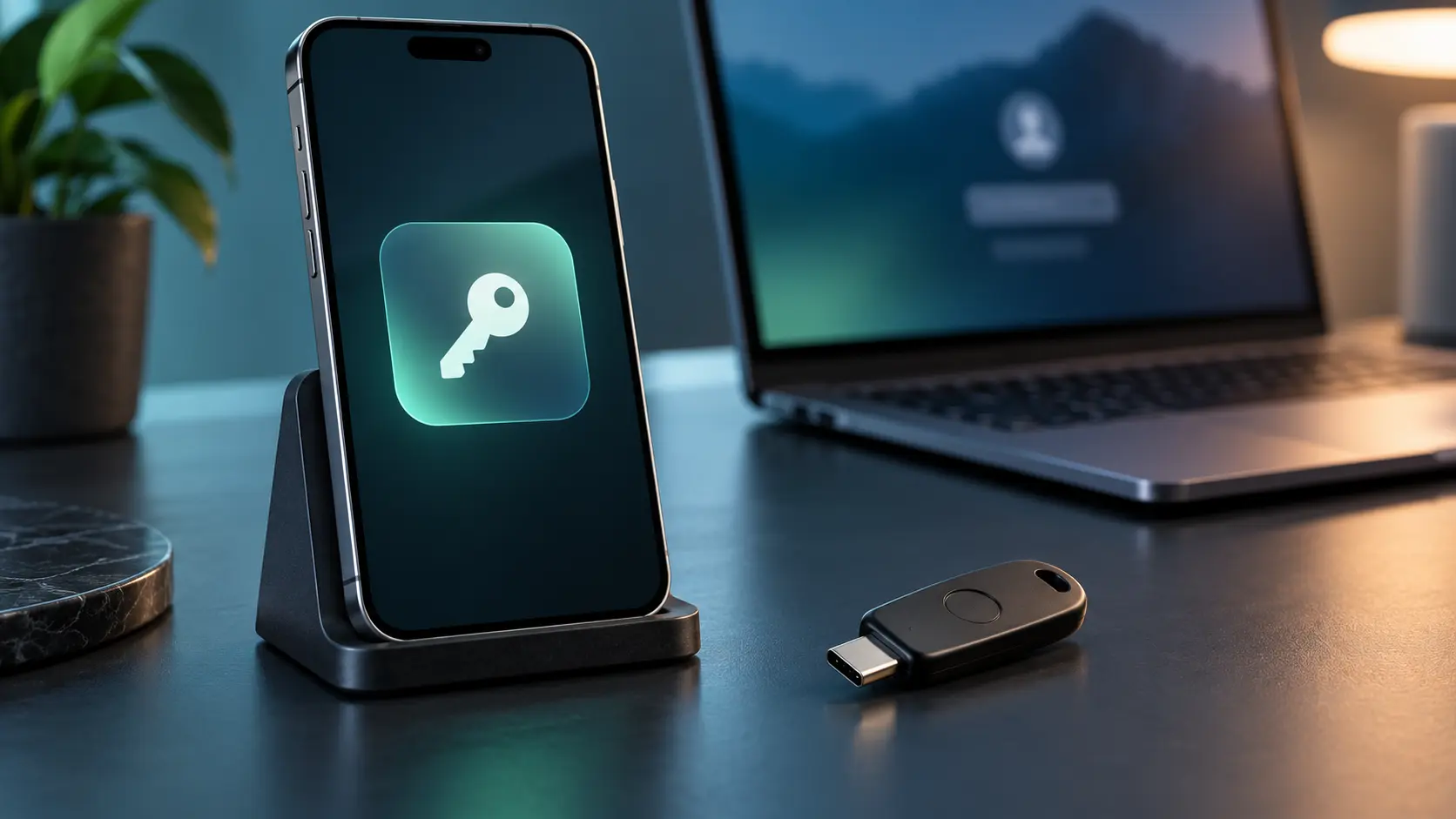
A passkey lets you sign in using your device's unlock method, with stronger protection against fake login pages.
A theoretical computer, an imitation game and a later research meeting helped shape a new field.
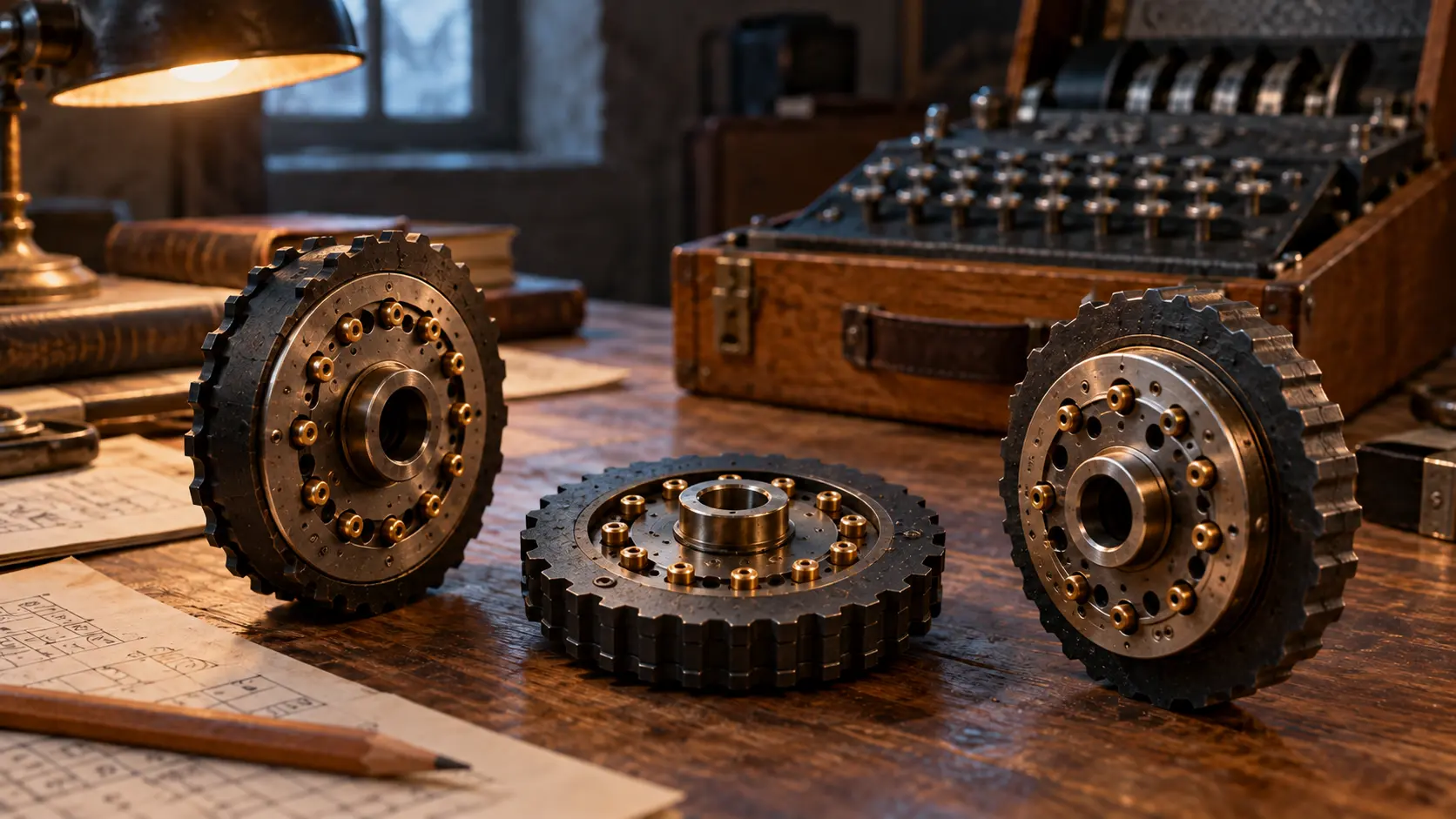
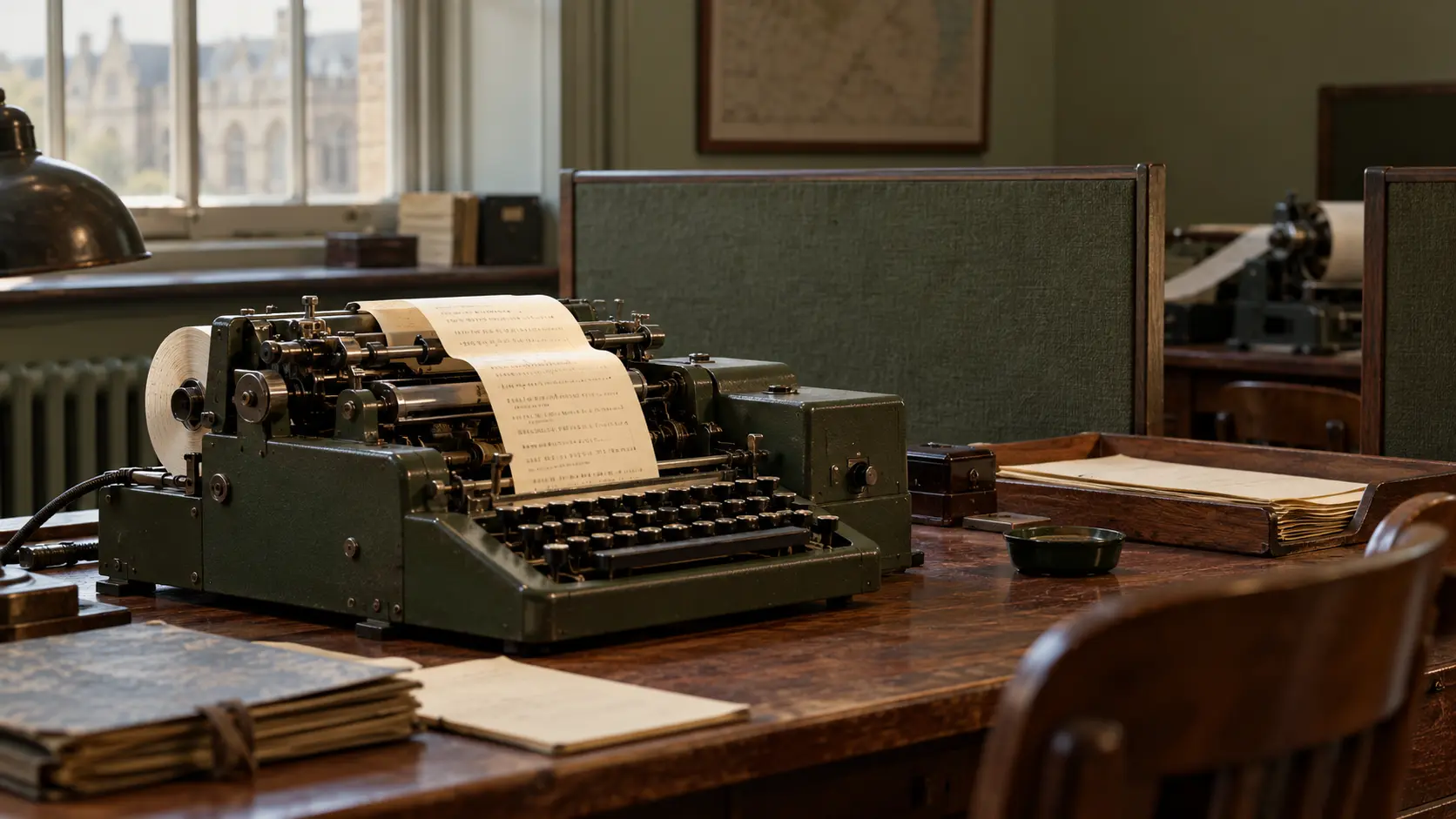
Mathematics, shared knowledge and specialised machines helped reveal messages protected by a changing cipher.
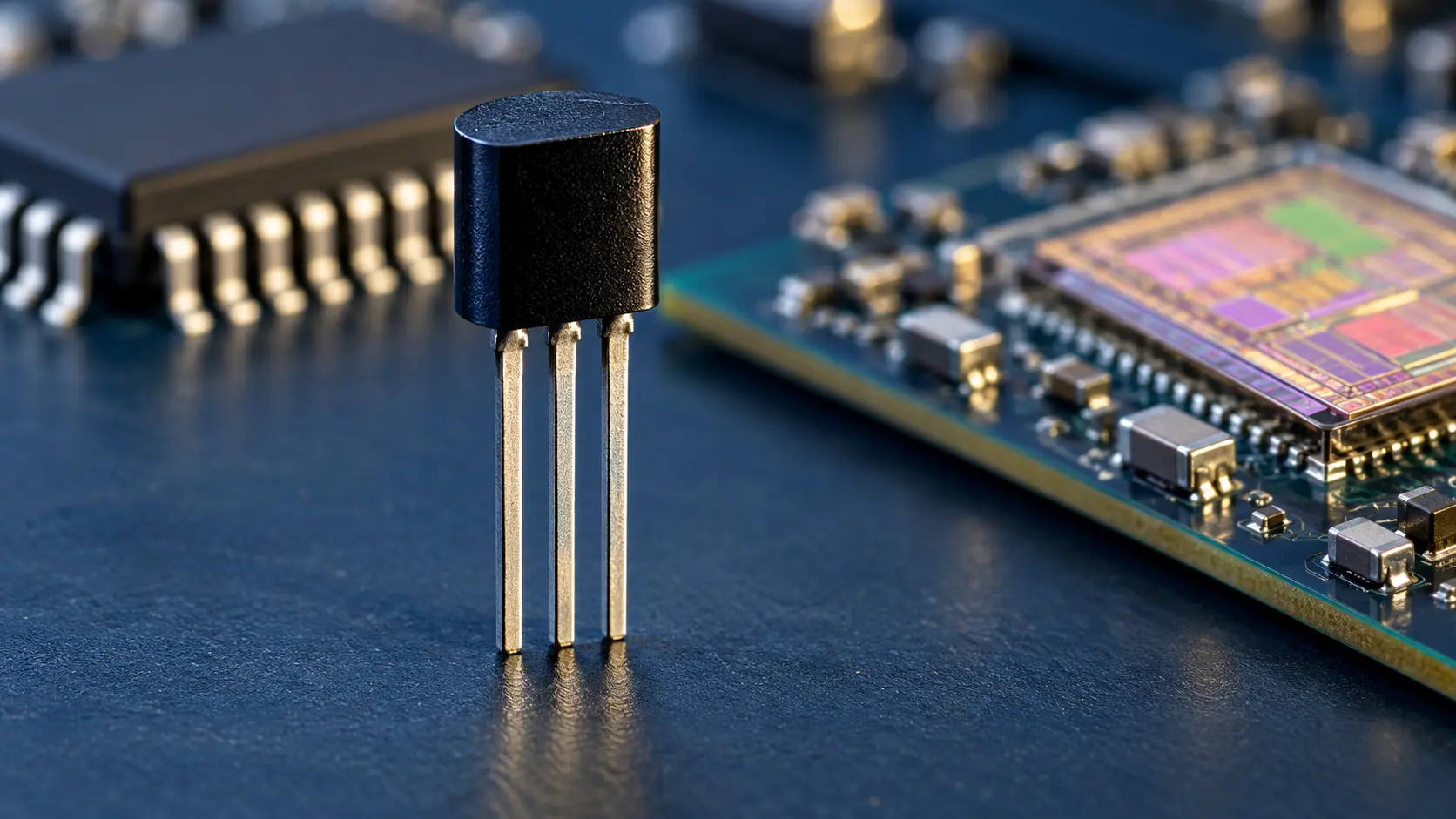
Electronic switches and amplifiers made it possible to build smaller, more capable machines.
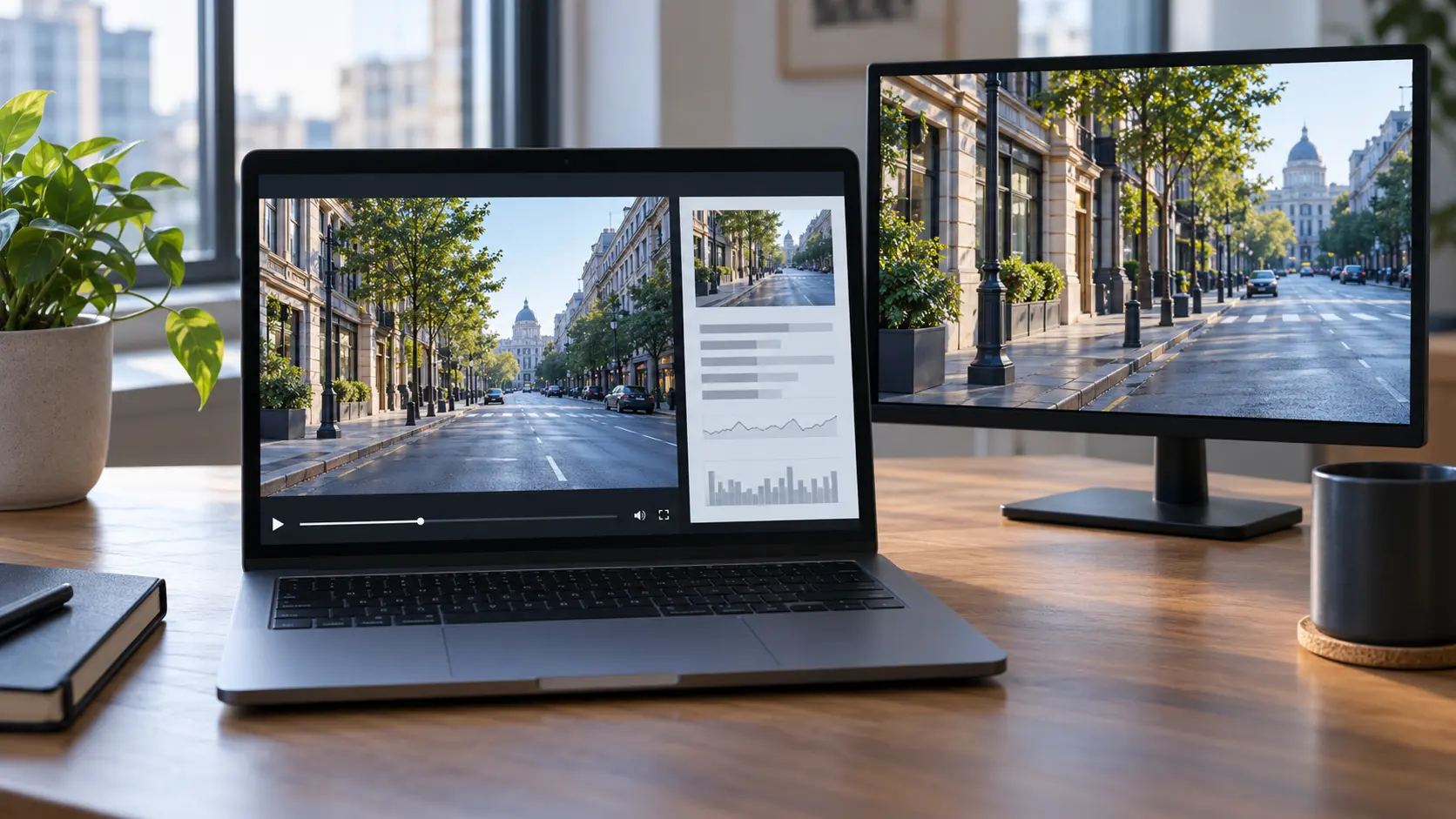
Detection scores can help an investigation, but they cannot replace checking where a clip came from.
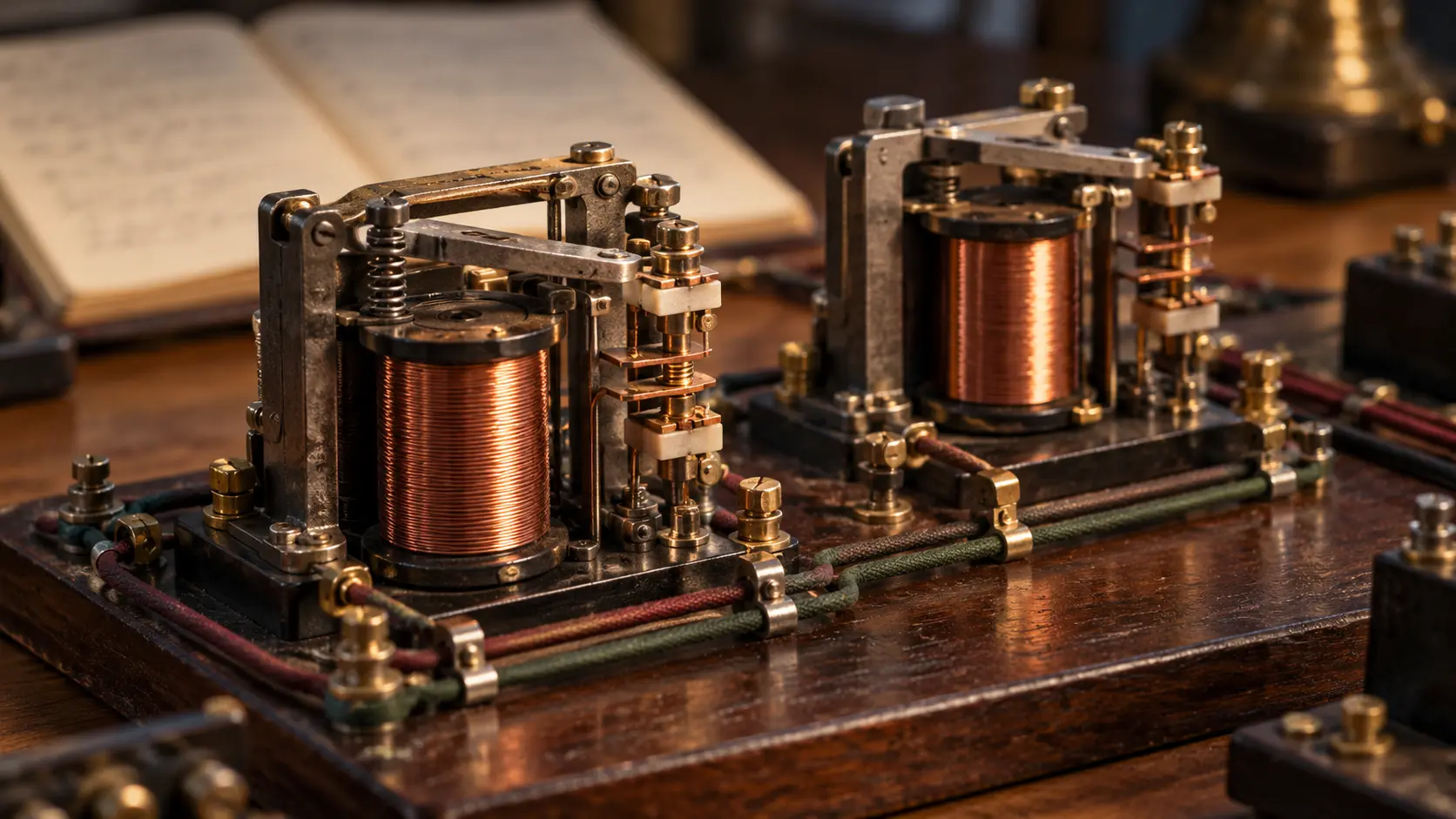
An attempt to describe reasoning with mathematics later gave engineers a way to design switching circuits.
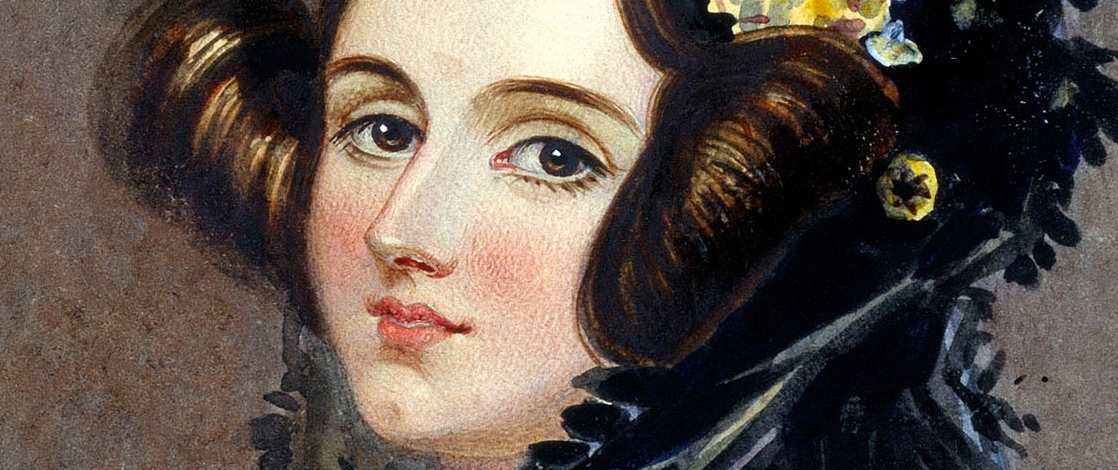
Her 1843 notes explored instructions, numbers and music — without a completed machine on which to test them.
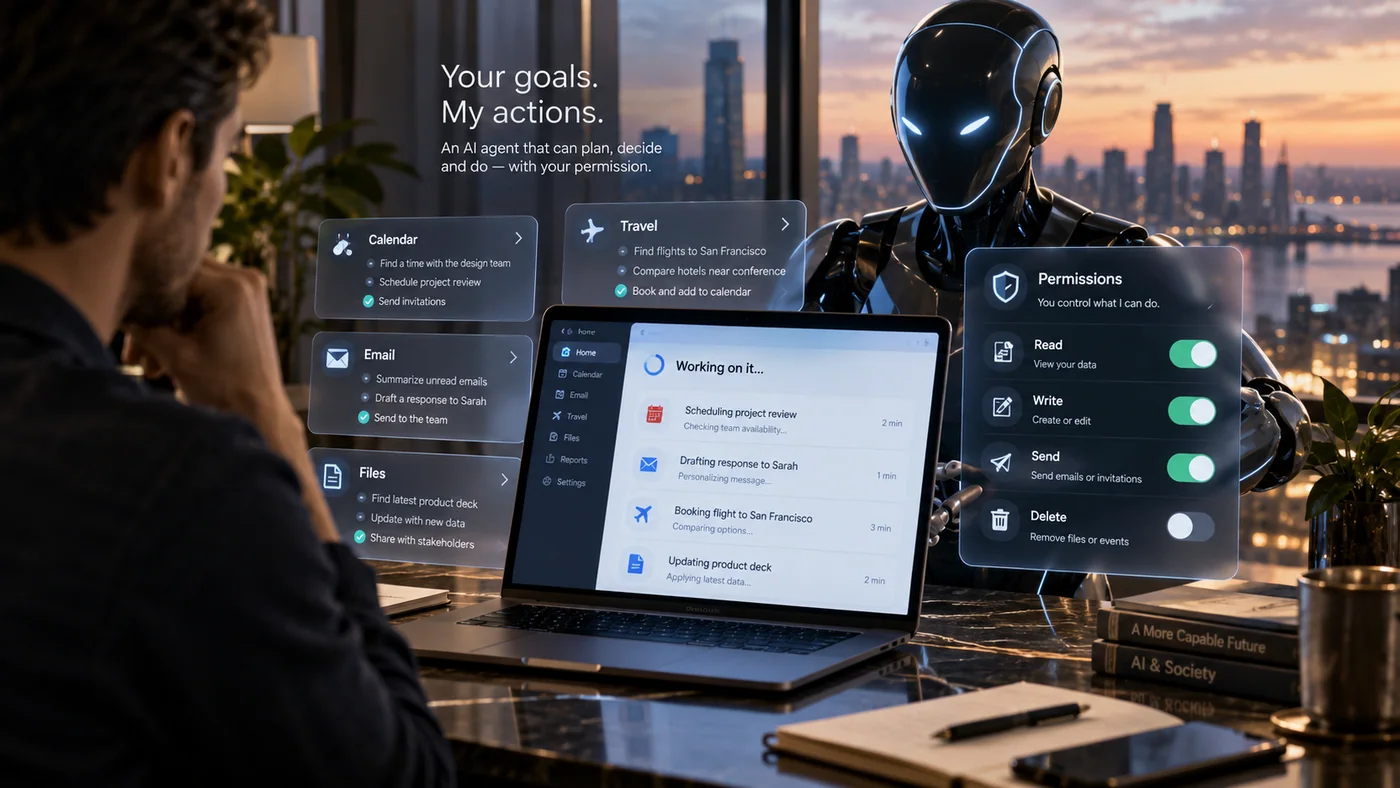
An assistant that can send messages or book a trip needs clear limits, not just convincing answers.
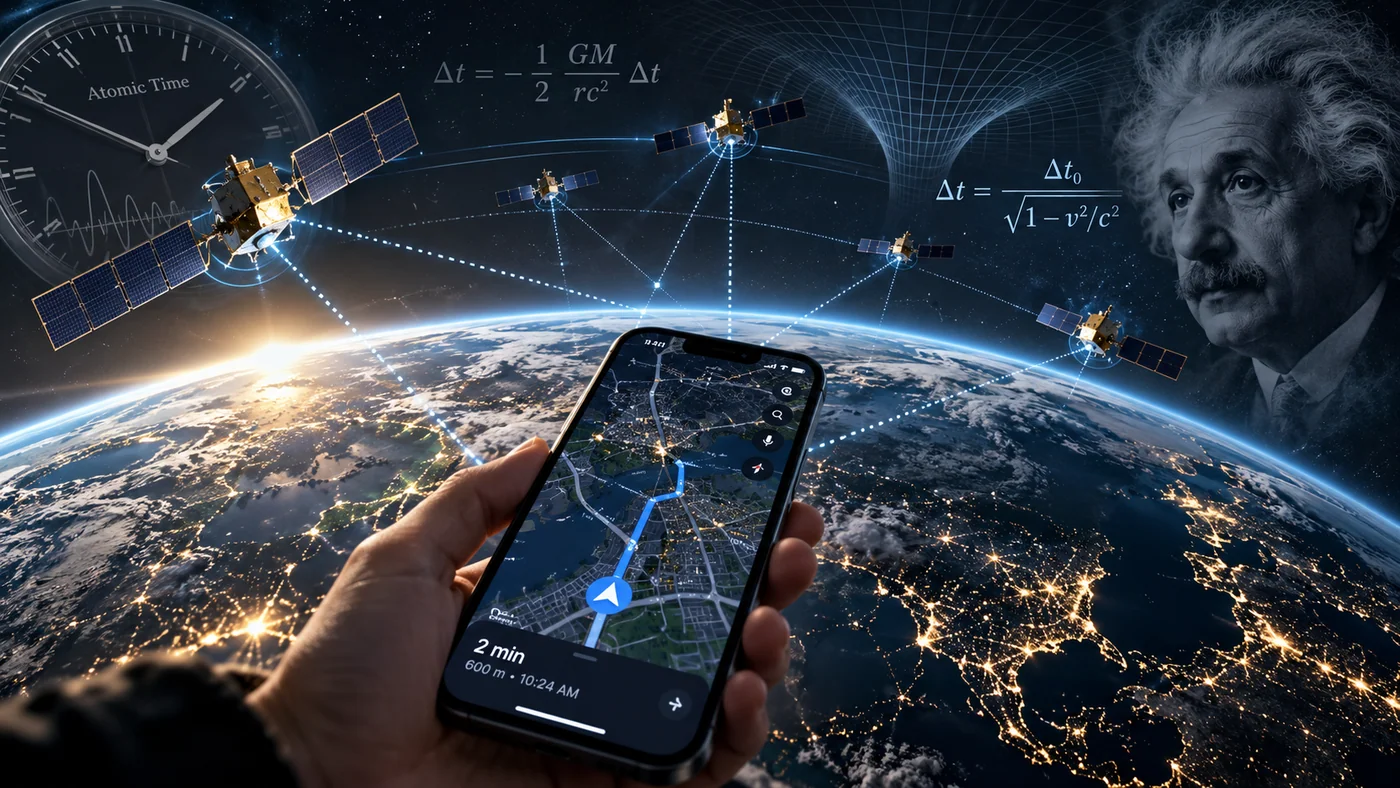
Your phone works out its position from precisely timed signals. Tiny differences between clocks in space and on Earth matter.
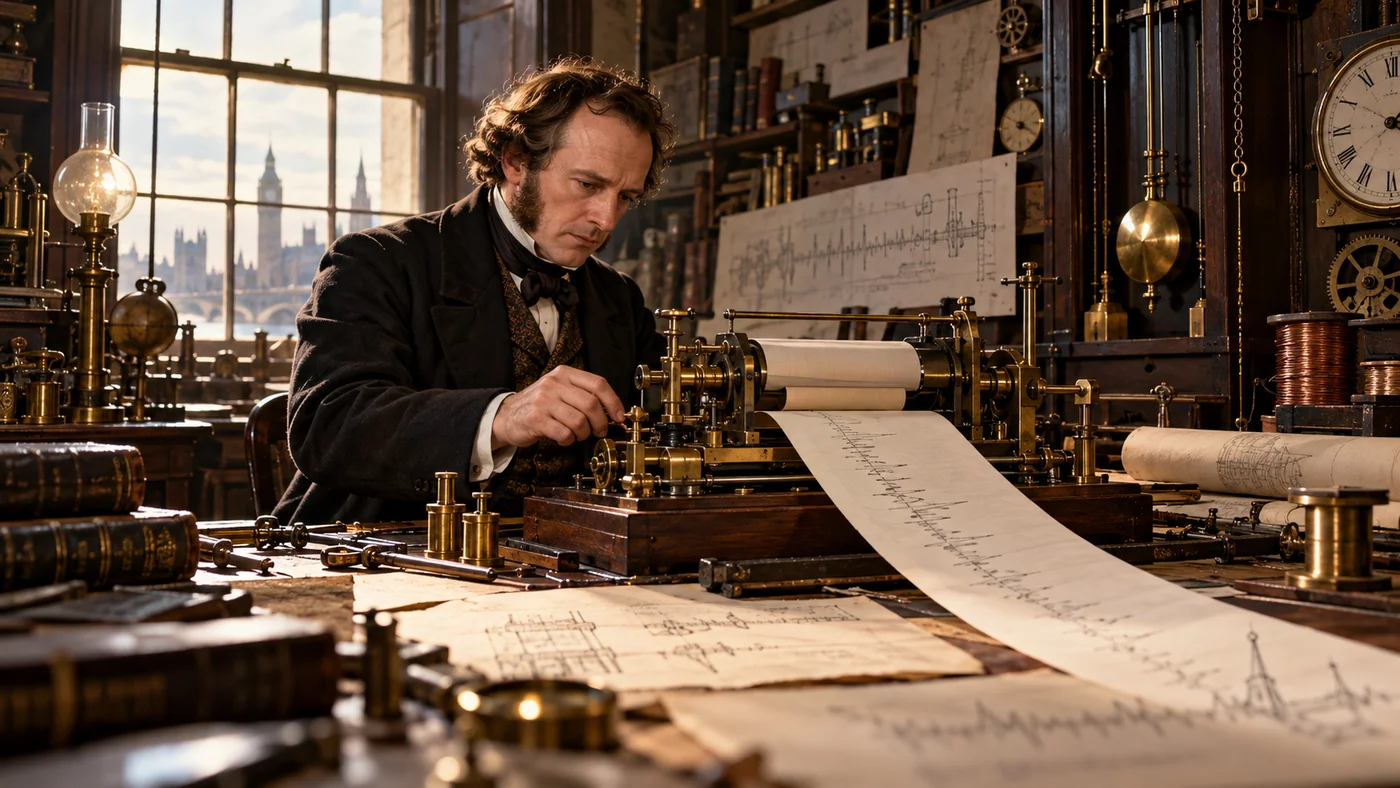
In 1843, Alexander Bain patented a way to copy marks using electricity. Turning the idea into a dependable service took much longer.
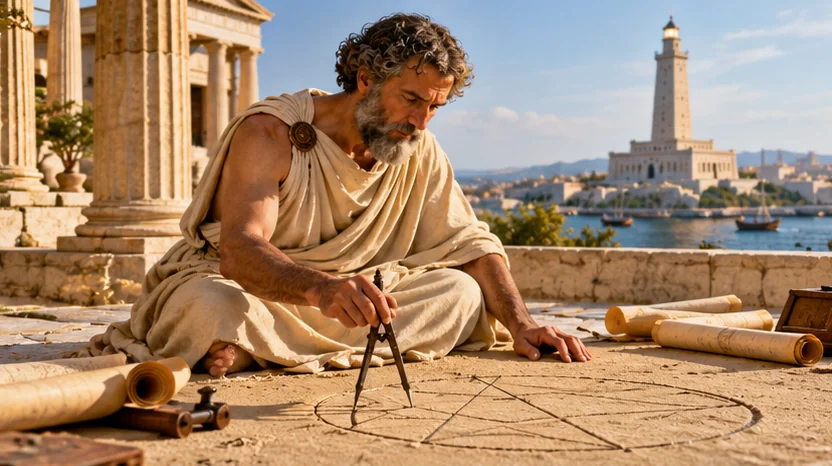
A drawing might look convincing. A mathematical proof goes further: it shows why something must be true, so anyone can check the reasoning.